
About
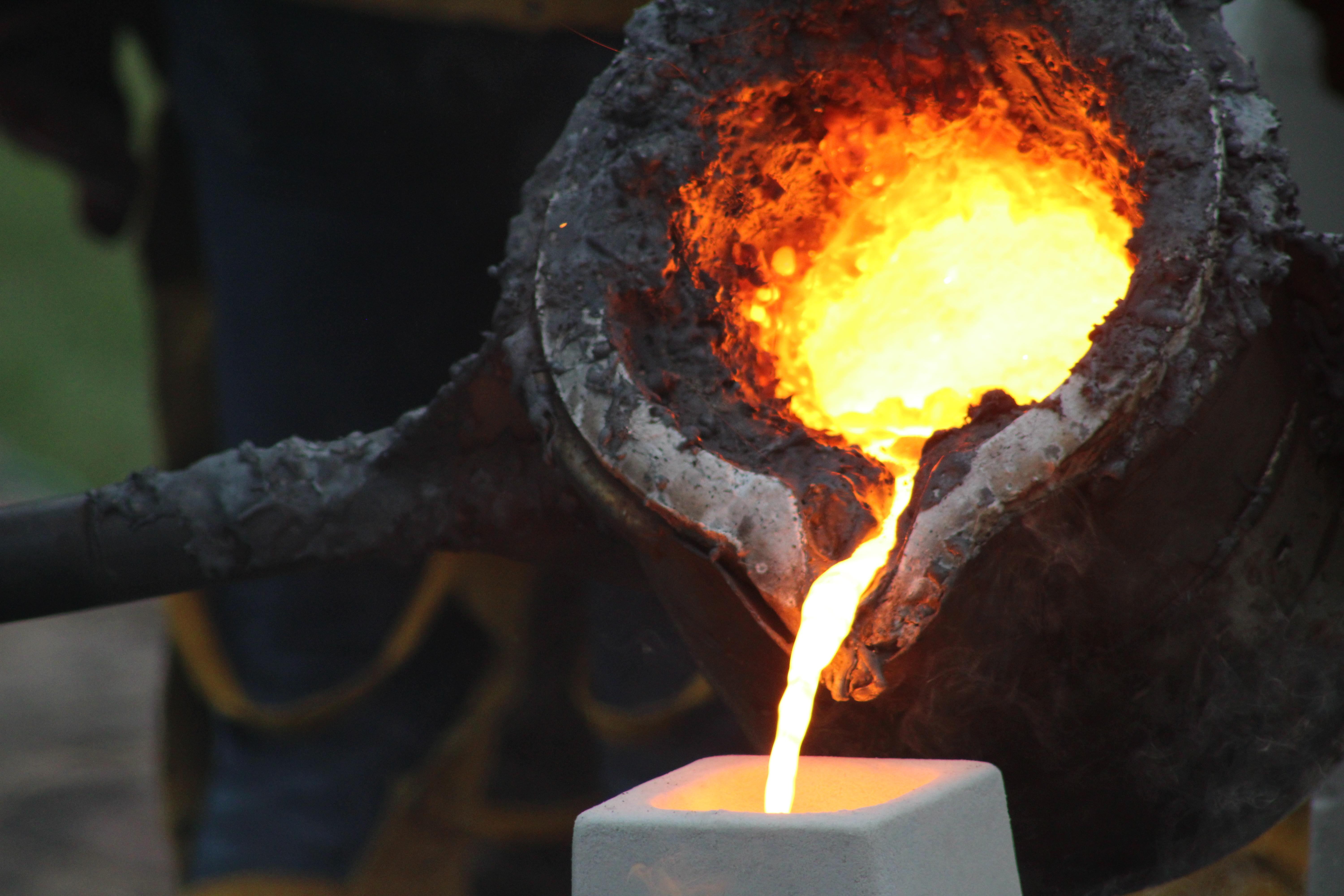
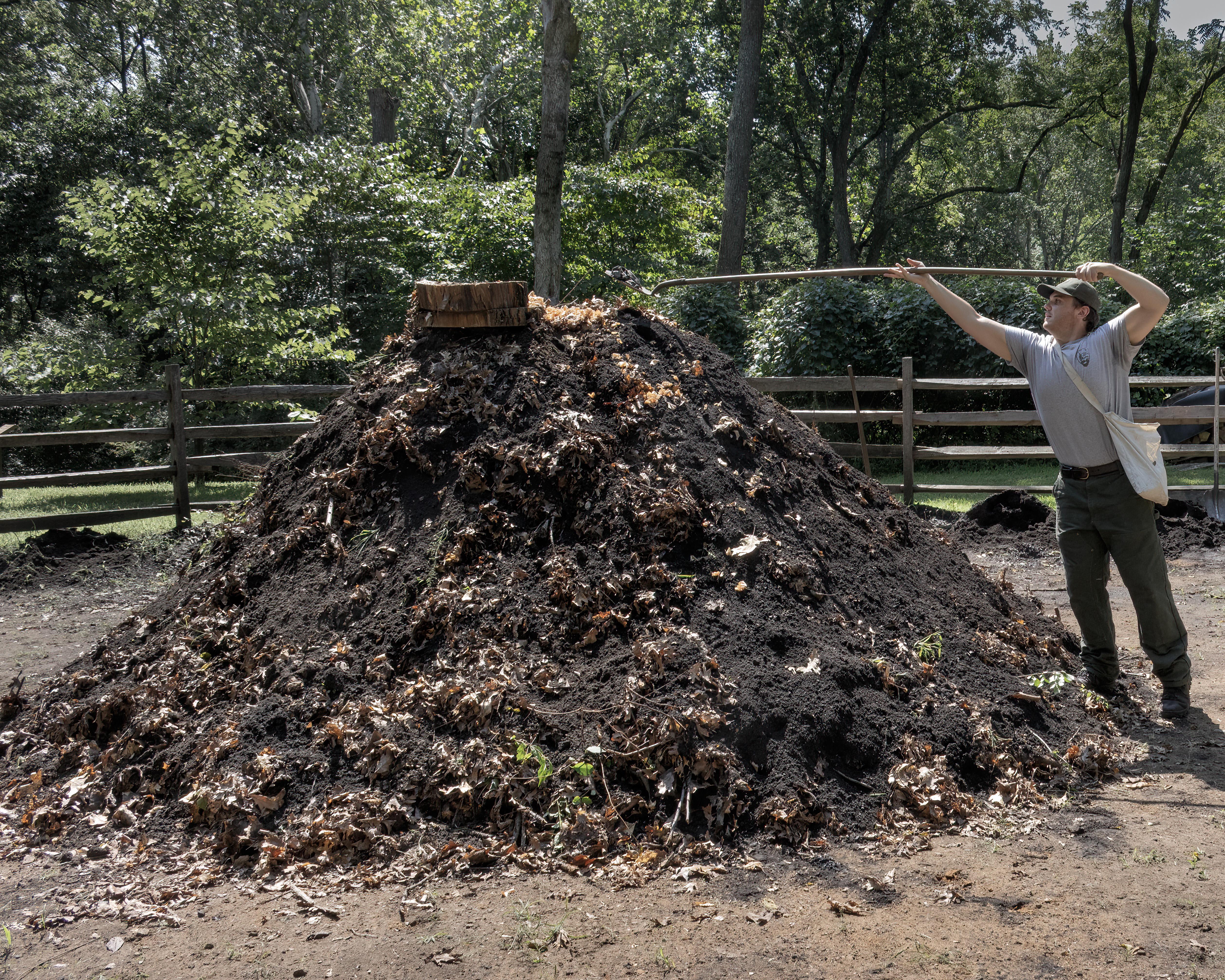
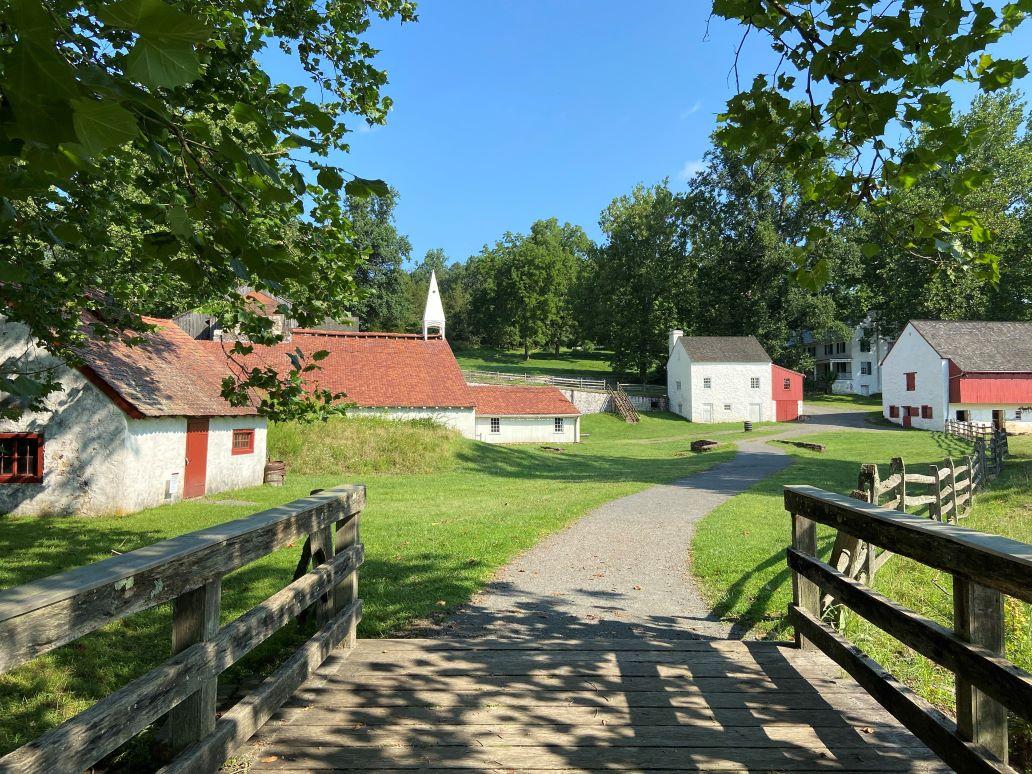
You can walk through an 1800s iron plantation to see the original blast furnace, charcoal houses, and worker cottages. It is a solid stop if you want to see how charcoal-fired industry actually functioned in rural Pennsylvania.
Updated
Charging at a glance
- Closest listed charger: 2.3 km (L2)
- Closest listed DC fast charger: 9.4 km
- Networks listed: Tesla (including non-tesla)
From the Open Charge Map listings under Charging nearby.
Quick Facts
Notable for: an example of an American 19th century rural iron plantation, whose operations were based around a charcoal-fired cold-blast iron blast furnace
Founded: about 1771
Camping and fees
- Entry fee
- : no entrance feesSource: www.nps.gov
Charging nearby
Charging data from Open Charge Map
French Creek State Park
View on Open Charge MapL22.3 kmMy Dad's Flooring - Tesla
View on Open Charge MapL27.1 kmPeter J. Camiel Service Plaza - Tesla Supercharger
Tesla (including non-tesla)
View on Open Charge MapDC Fast9.4 kmPeter J. Camiel Service Plaza (Milepost 304.8 WB)
View on Open Charge MapDC Fast9.4 km- DC Fast9.8 km
Worth the detour?
No verdicts yet - be the first who's been there.
Sign in to leave a verdictAttribution
- nps.gov
- nps.gov
- NPS - National Park Service
- National Park Service - National Park Service, U.S. Department of the Interior
- Recreation.gov (RIDB) - Recreation Information Database (RIDB)
- Wikidata - Wikidata / Wikimedia Commons
- Wikipedia - Wikipedia (CC BY-SA)

 State Park