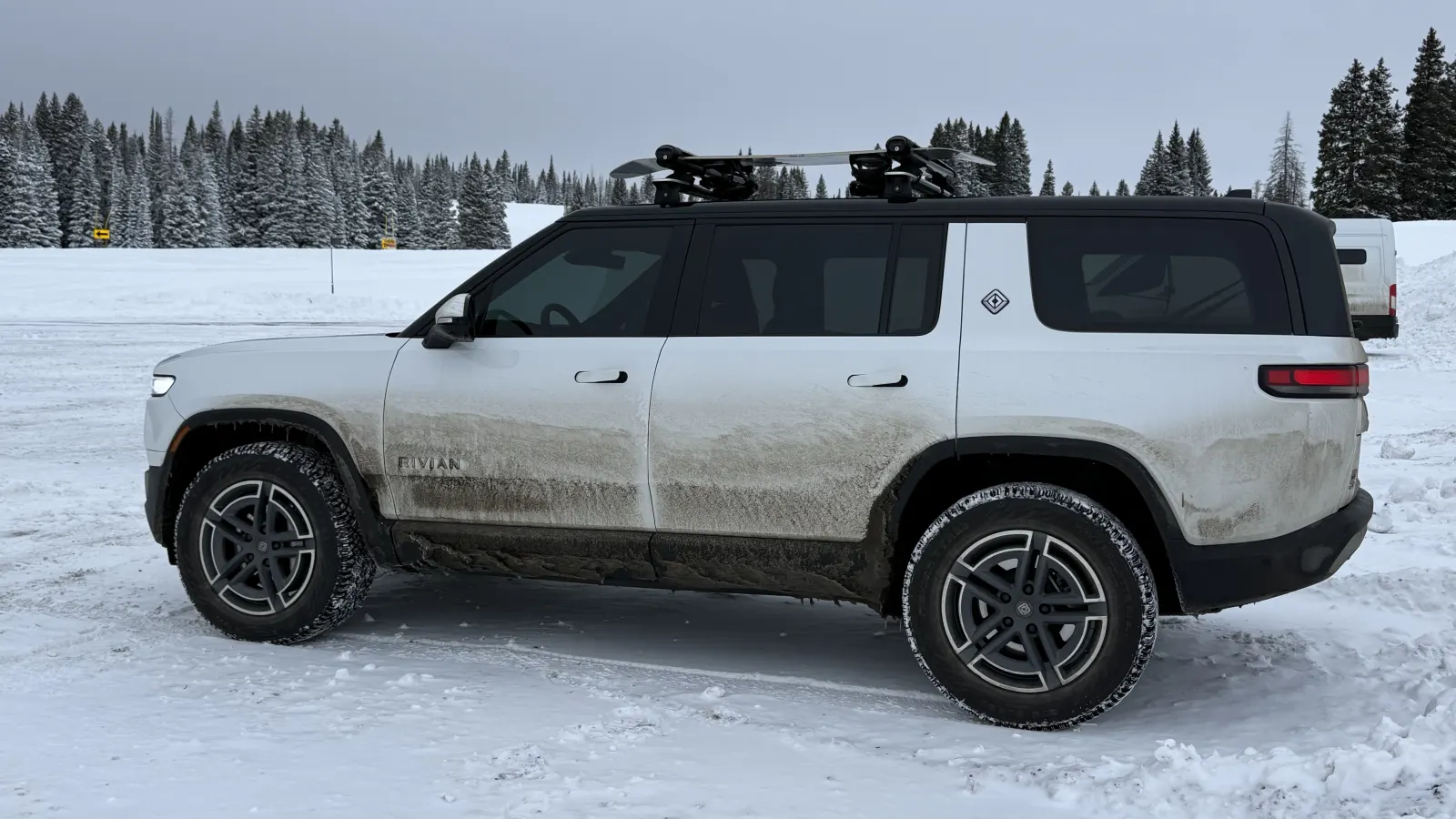
Photo by Patrick Heneise
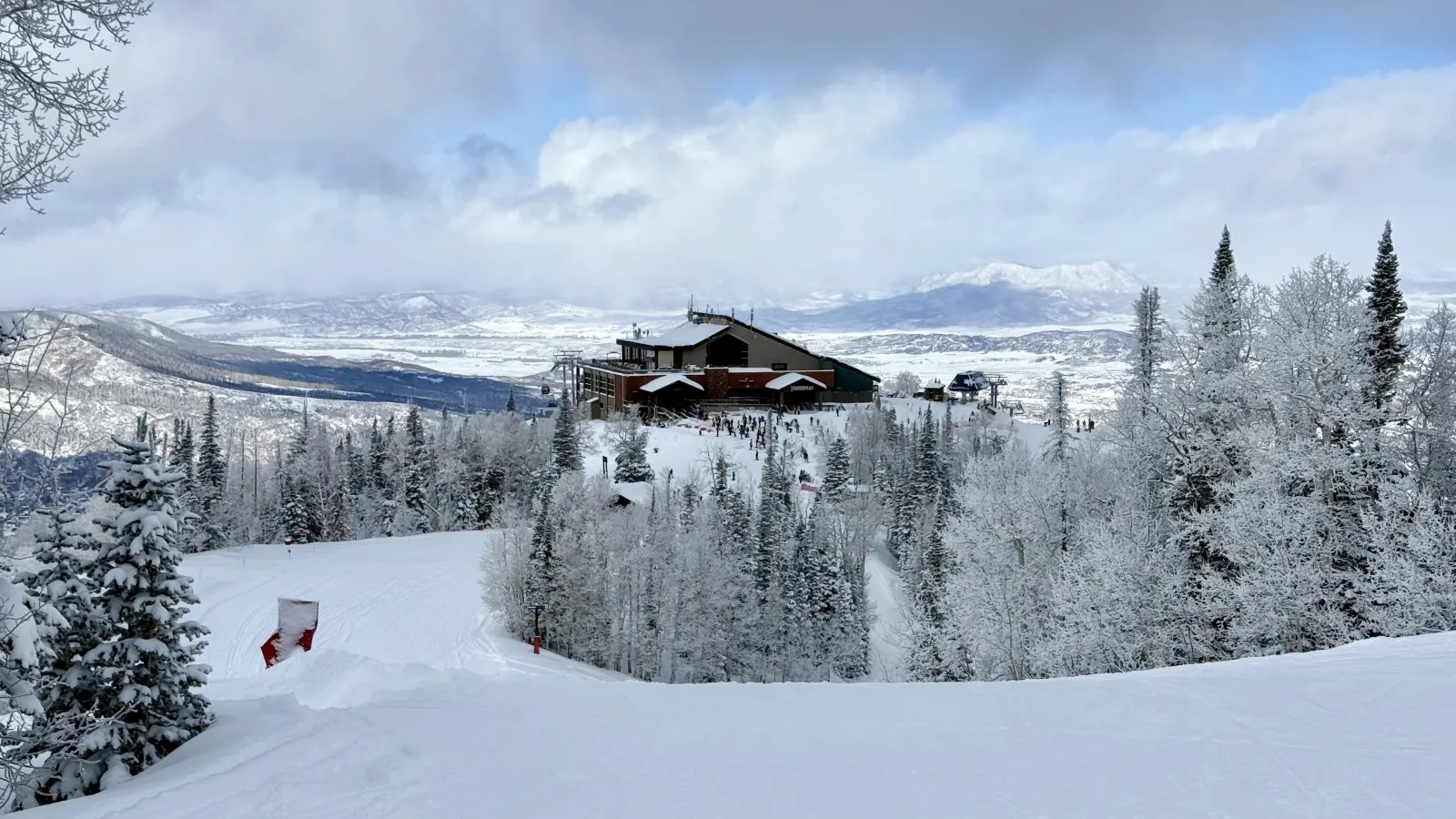
Last February I skied Arapahoe Basin, Steamboat and Winter Park in four days. I slept in the car for three nights. It was quite a trip.
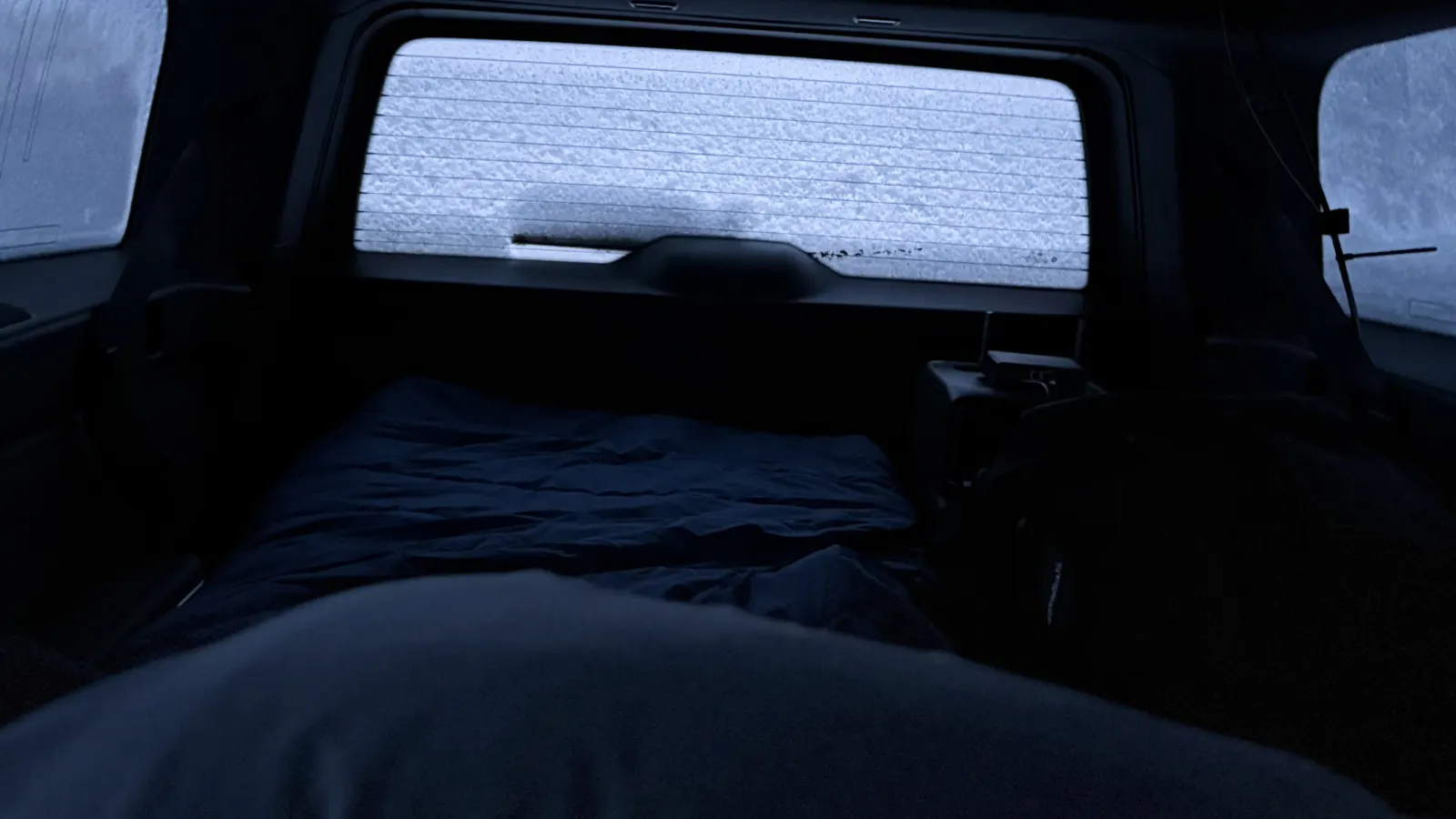
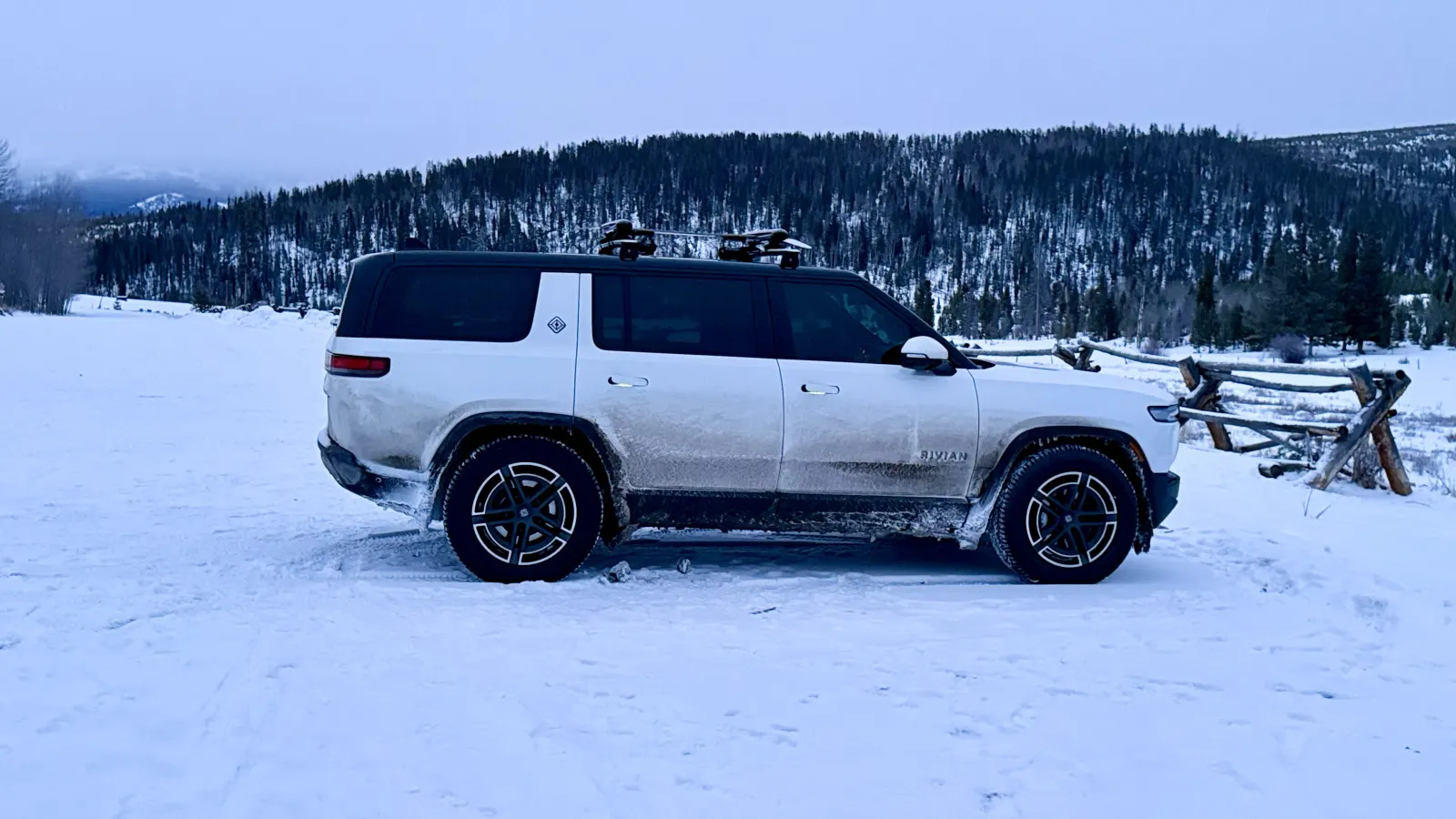
The car was a Rivian R1S. The skis went on the roof, and the back seats folded flat into a bed.
Why an EV is good at this
An EV carries a huge battery with you at all times. On a winter night, that battery runs the heat until morning and keeps the cabin at the temperature you set. It also charges all your devices while you sleep.
On a Rivian, Camp Mode takes care of the rest. It levels the car on its air suspension, so you don’t sleep on a slope. It keeps the car awake with climate on. Camp Courtesy turns off the exterior lights and sounds, so the car stays dark and quiet. Rivian’s write-up has the details.
Where I charged
Arapahoe Basin has chargers at the resort. A full day there filled the battery.
After A-Basin, I drove on to Steamboat Springs for food and a charge, then went back to Rabbit Ears Pass to sleep.
Winter Park had no chargers at the resort when I went. After skiing there, I charged at a fast charger in town.
Waking up under the snow
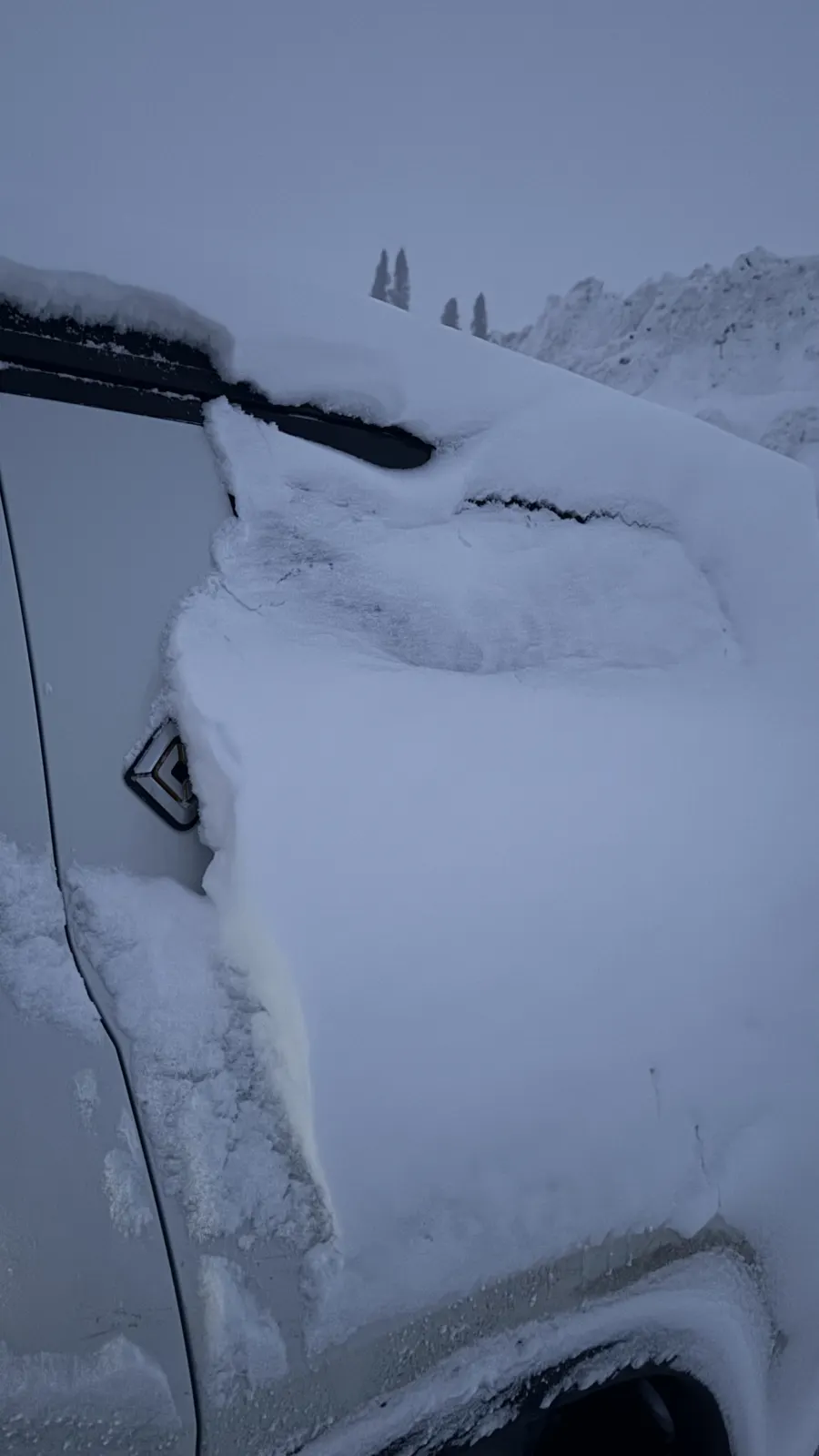
It snowed overnight on the pass. At 6:20 the next morning, one side of the car was buried past the door handles. Inside, it was warm.
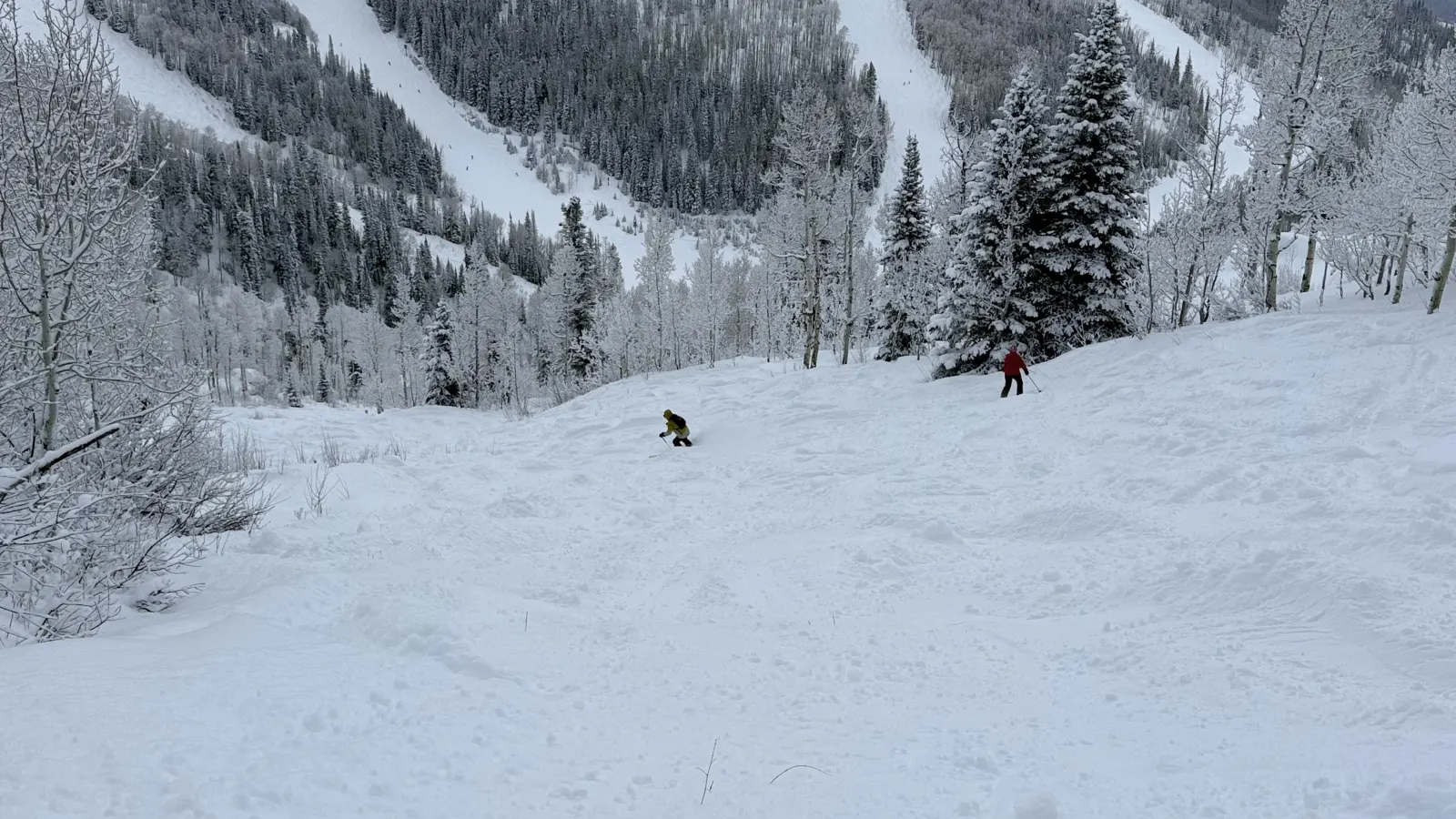
By ten I was skiing that snow at Steamboat.
What to plan before you go
Settle three things before you leave home.
Know where you can park overnight. Not every lot allows it, so check the rules for each night ahead of time, not at 10 pm.
Charge before the night, not after. The heat draws on the battery all night, and cold weather costs range on top of that. Arrive at each night’s spot with enough charge for the night and the next morning’s drive. I should have charged before heading for the pass. Going down to Steamboat and back up was a detour.
Stock up on food before you head out. With groceries in the car, I could have skipped that first-evening trip to Steamboat and set up camp on the pass.
Plan yours on Roadbook
Roadbook puts each night’s stop on one map, with charger information beside it. Add your car to the trip, and the planner flags any leg longer than its rated range. Share the plan with whoever is riding with you. When you get home, the trip journal keeps the story.
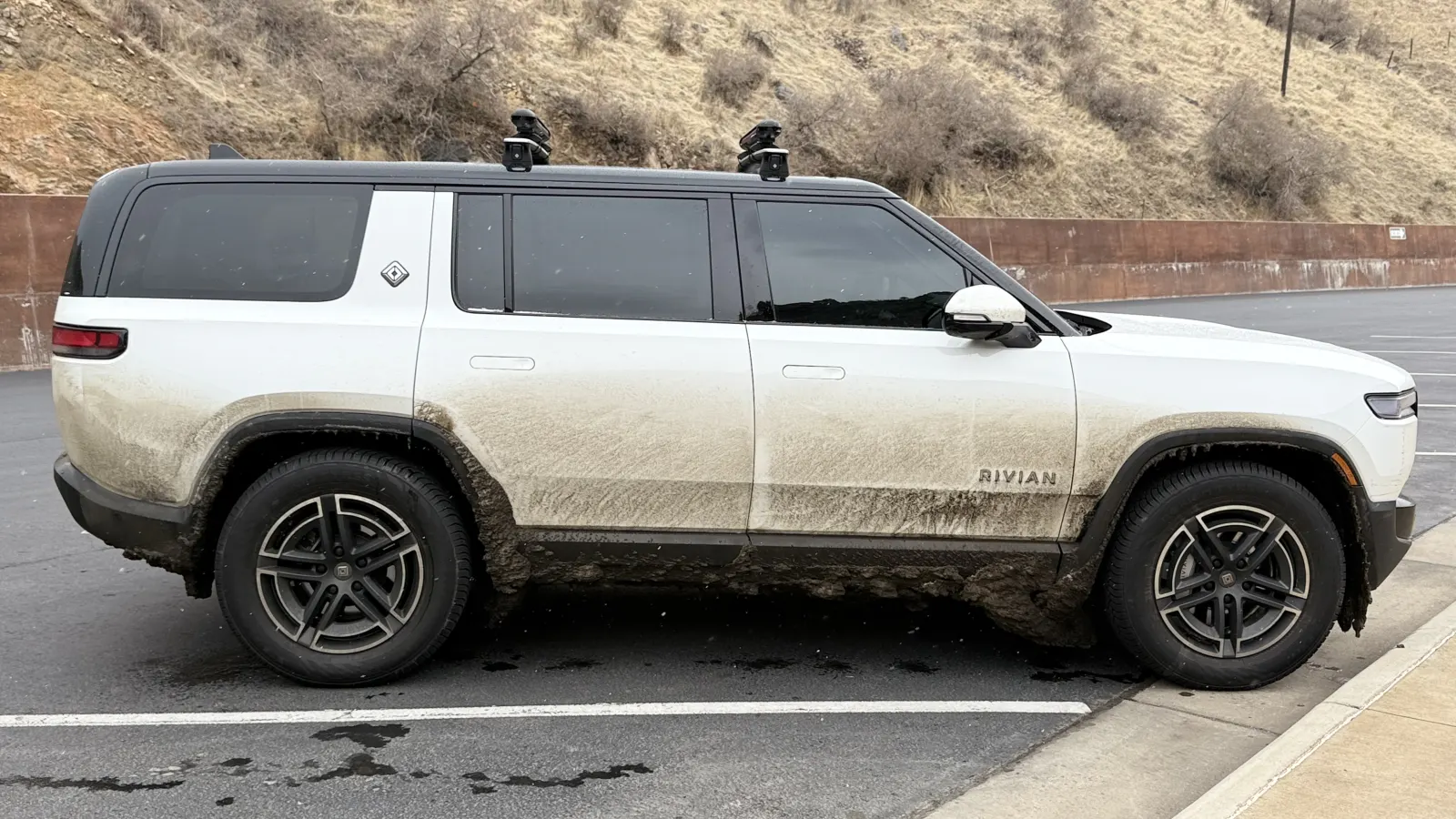
I came home with half of Colorado on the doors.
Photos: Patrick Heneise.